1. The Infamous Aroma
The Corpse Flower's most striking characteristic is its overpowering smell, often compared to decaying flesh. This potent scent is produced by volatile organic compounds, mimicking the smell of rotting meat to attract its primary pollinators: carrion-feeding insects like blow flies and dung beetles. The intensity and specific chemical composition of the odor are crucial for its reproductive success, ensuring the transfer of pollen even in the dense jungle environment.
2. Colossal Bloom Structure
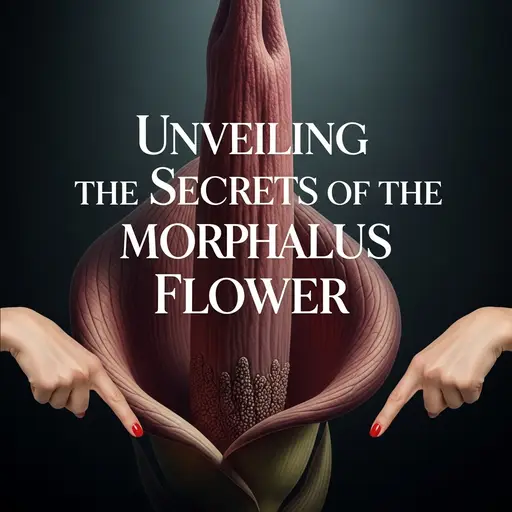
Technically, the 'flower' is not a single bloom but a complex inflorescence. It consists of a spadix (a fleshy spike) surrounded by a spathe (a modified leaf). The spadix, which can reach over 3 meters in height, is the primary structure emitting the odor and heat, while the spathe, often a deep red or maroon on the inside, serves as a visual attractant mimicking a dead animal carcass.
3. Thermoregulation Marvel
The Corpse Flower exhibits thermogenesis, meaning it can generate its own heat. The spadix warms up to a temperature close to that of the human body, further enhancing the release of its odoriferous compounds and attracting insect pollinators, especially during cooler evening hours. This internal heating also helps to volatilize the smell, spreading it over a wider area.
4. Infrequent and Unpredictable Blooming
Blooming events for Amorphophallus titanum are rare and notoriously unpredictable, often occurring only every several years. When a bloom stalk is initiated, it can take months to develop, and the actual flowering period is fleeting, lasting only 24 to 48 hours. This scarcity adds to its mystique and the excitement surrounding public displays in botanical gardens.
5. Dormancy and Subterranean Life
Below the surface, the Corpse Flower possesses a massive underground corm, which can weigh over 100 kilograms. This corm stores vital nutrients and water, allowing the plant to survive periods of drought or when its above-ground structures have withered. The plant typically alternates between producing a single leaf (which can be enormous) and an inflorescence from this corm.
6. Conservation Status
Despite its notoriety, the Corpse Flower is listed as Endangered on the IUCN Red List. Habitat loss due to deforestation and agricultural expansion in its native Indonesian rainforests poses a significant threat to its wild populations. Conservation efforts in botanical gardens worldwide play a crucial role in preserving this unique species.
7. A Symbiotic Seed Dispersal
The ultimate goal of the Corpse Flower's elaborate blooming strategy is successful reproduction. Once the odor and heat attract pollinators, pollen is transferred. After pollination, the plant produces a cluster of small, red fruits. These fruits are then dispersed by animals attracted to their color and edibility, aiding in the next generation's establishment.