01. Impermanence. (Anicca).
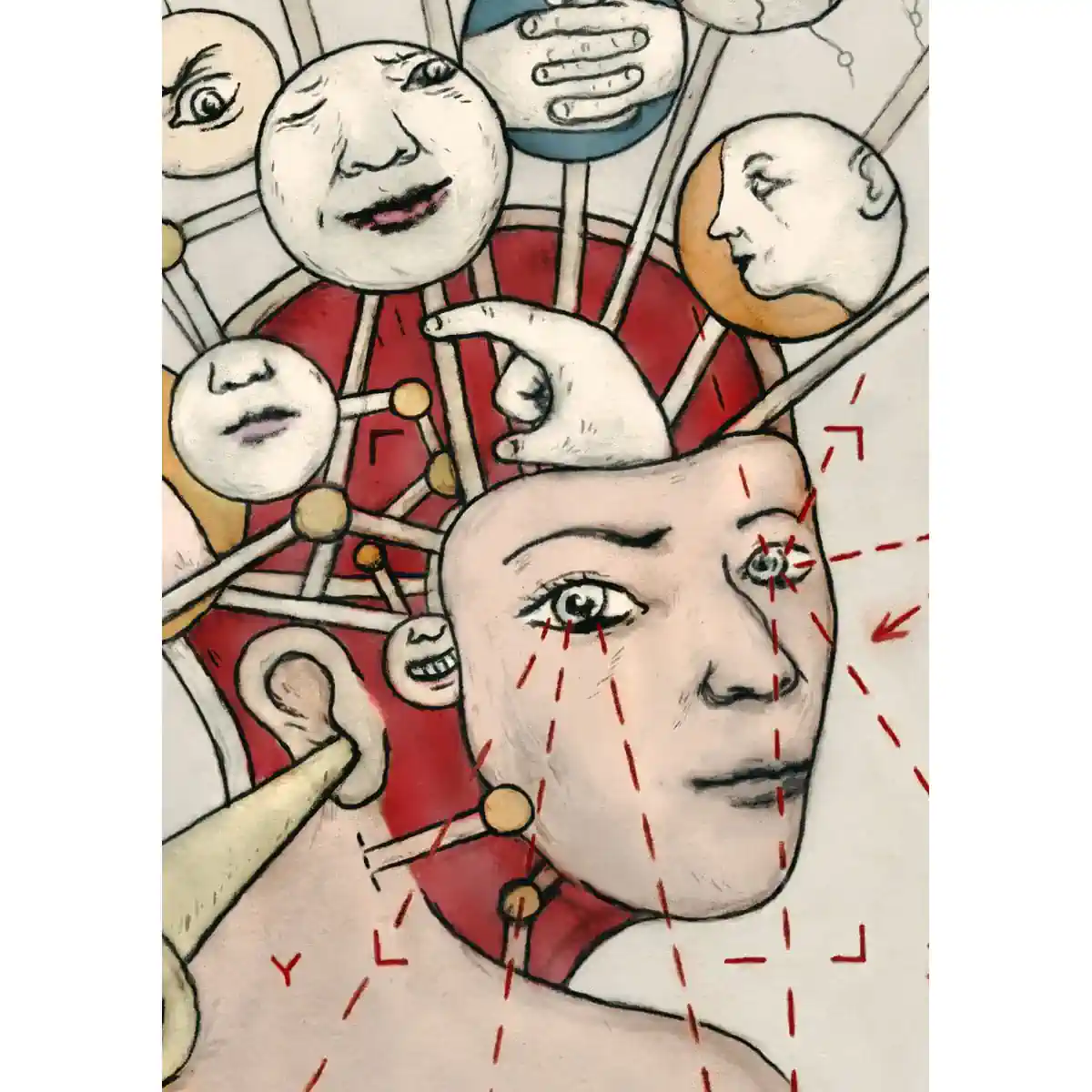
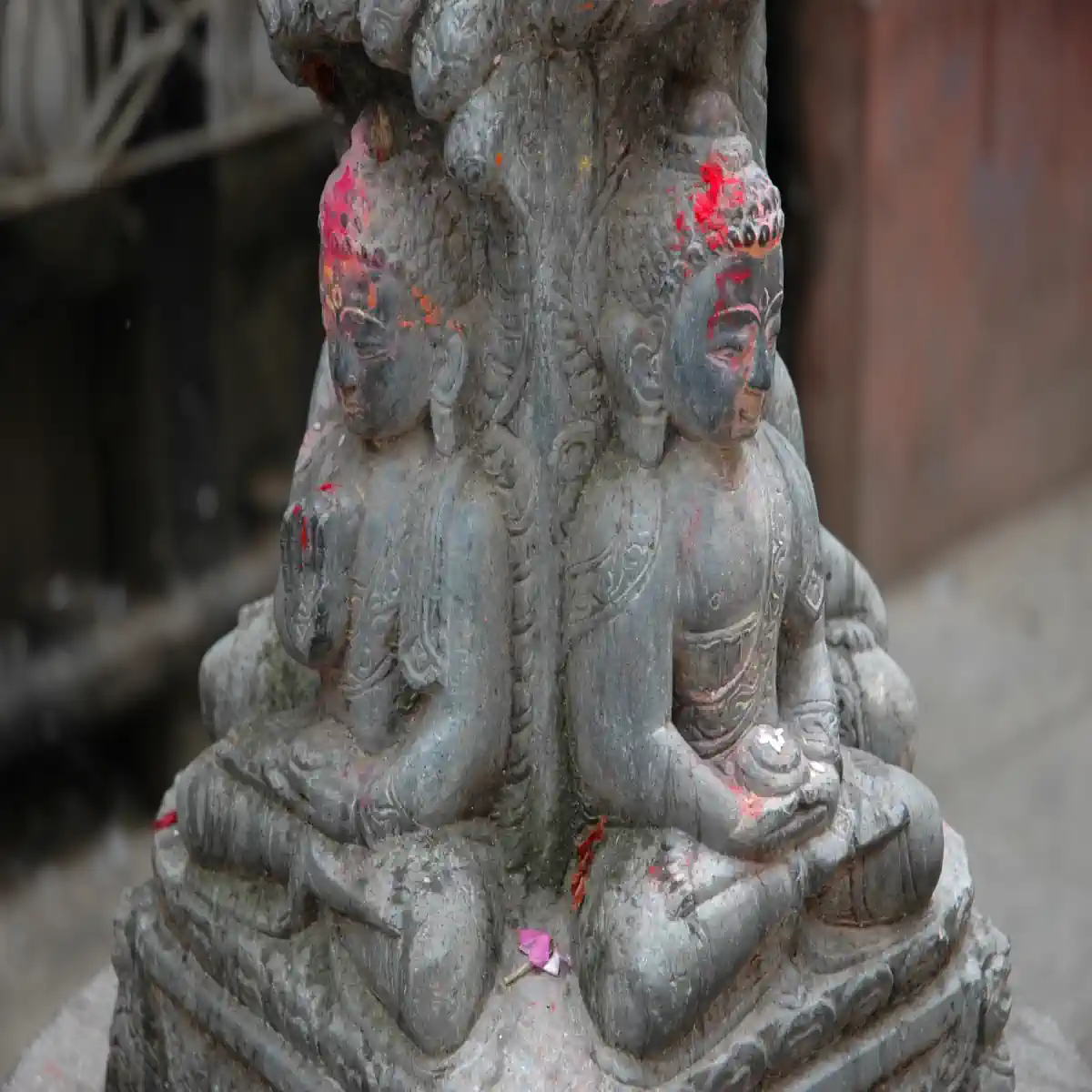
All compounded things that exist are constantly changing, they are in consistent flow, we should therefore accept death and suffering as a part of life, accept that everything changes, that things are not permanent and that everything is temporary.
Nobody can step in exactly the same river twice. (the water has changed).
All conditioned things are ultimately contingent, the result of an endless series of other causes. Whatever arises, arises in tandem with a multitude of other causes and will pass from existence sooner or later.
Knowing things are impermanent we begin to know that things are not entirely under our control and never will be, so there is no expectation for things to go according to our hopes and fears. There is a lot of freedom in this.
02. Dissatisfaction, un-satisfactoriness or suffering. (Duḥkha or Dukkha).
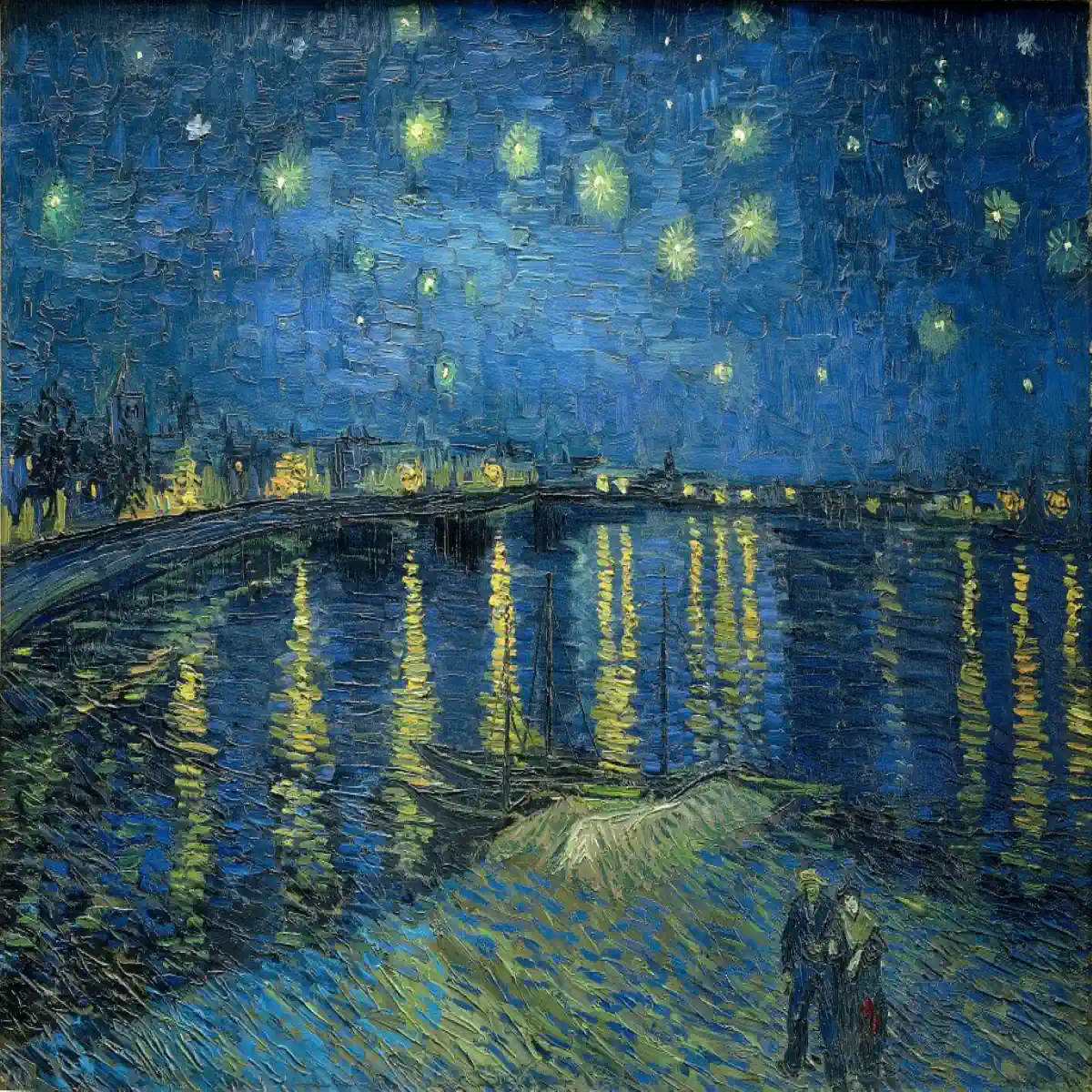
Suffering is part of the human condition due to impermanence and the non-self. There are many type of suffering such as emotional, physical and mental suffering and pain (ordinary suffering), suffering linked to the impermanence of things (viparinama-dukkha), and the suffering because of being attached to objects, people and the things you do in life (samkhara-dukkha).
We have a habit of taking what is impermanent as permanent, and therefore we come to believe the causes of dissatisfaction and suffering to be the causes of happiness, this stems from a confusion of perceiving an independent self where one cannot be found.

03. Non self or no soul. (Anattā).
All knowable things are not self, there is no permanent self, we are constantly changing.
Objects and people only exist as collections of parts, aggregates of other, more basic elements.
The Buddha argues that people are processes that exist only momentarily and only in a dependent sense i.e. the self is dynamic so that a new self arises and departs each moment.