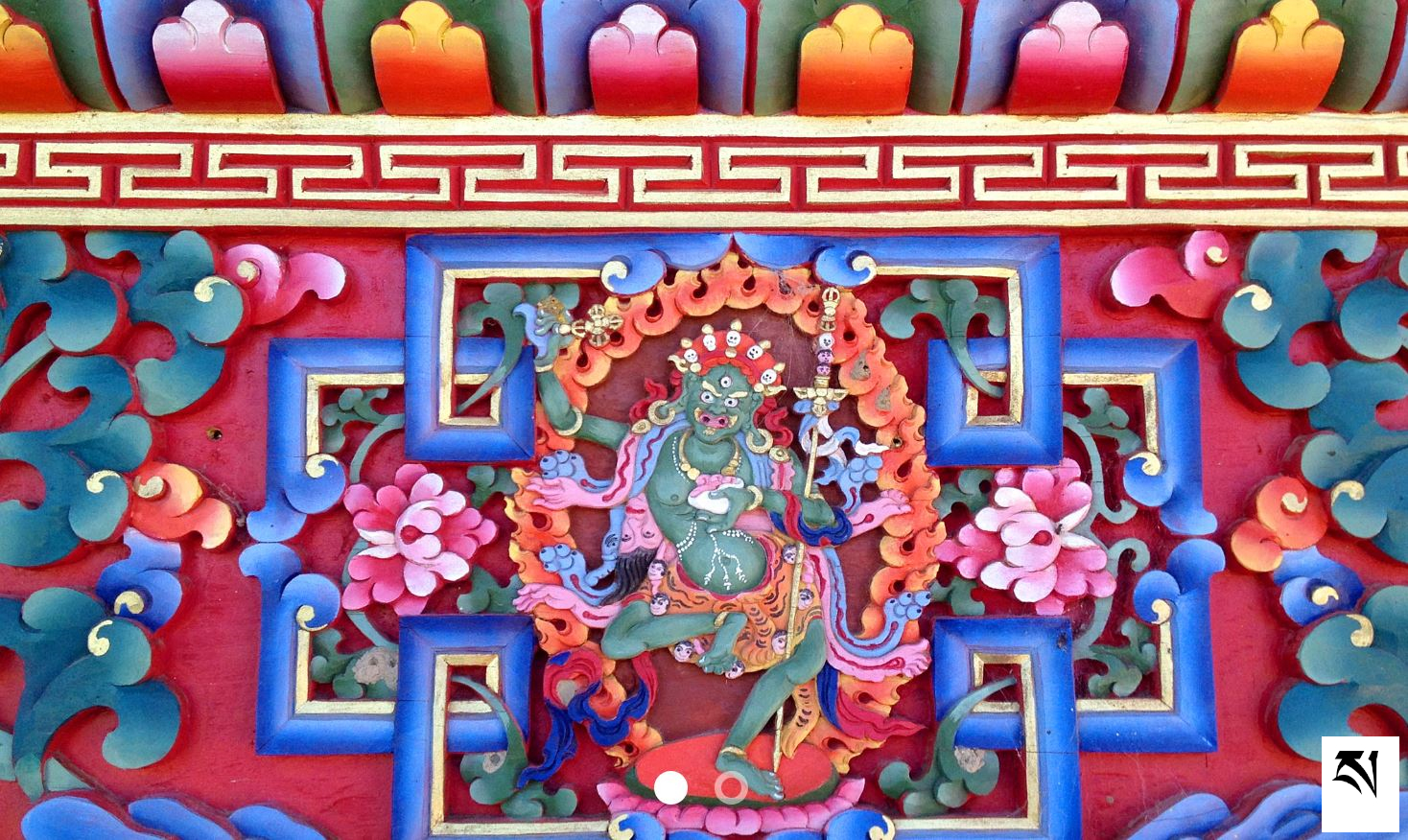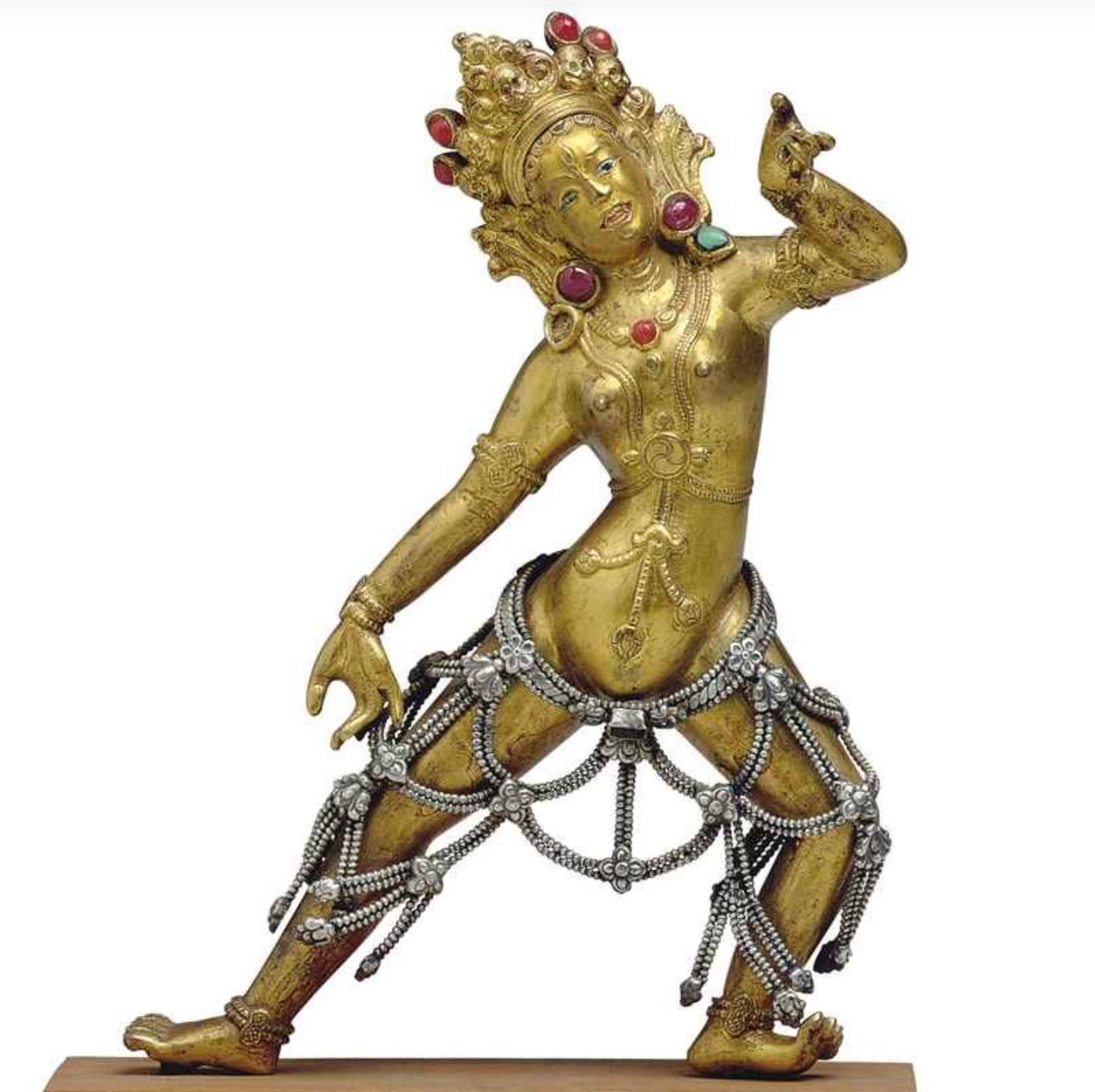
01. Buddha Dakini Akashadhatvishvari, Dhatvishvari.
Akashadhatvishvari is the fierce wisdom dakini of universal law and is adept at pacifying magic, she is luminescent white in color and has a symbol of an eight spoked wheel representing the turning of the wheel of dharma.
She holds the wheel ornamented trigug, the hooked knife, in her raised right hand. Held in the left hand at the heart of Akashadhatvishvari is a skull cup. The khatvanga staff, a symbol of the hidden consort, skilful means and compassion, rests in the crook of her left arm.
She will usually have her right leg raised and her leg extended in the dancing posture, surrounded by the blazing flames of wisdom. Her three eyes of wisdom gazing into eternal space.
She is located in the center of a place on a sun disk of a white lotus and is from the Buddha or awakened family (sometimes she is located east, as in some systems Vajra Dakini and Buddha Dakini are switched in terms of direction and their associations, i.e. for specific Yidam practices, the Yidam may move to the center of the mandala, or example, in Vajrayogini practice, she may move to the east for her practice, depending on the specific lineage teachings), she has in her heart a white seed syllable of BAM or AM.
She has a wisdom of dharmadatu awareness (dharmadhātu is the purified mind in its natural state, free of obscuration) and is the Dakini consort of Vairocana coming from the realm of Gods (devas and Brahmas), she pacifies ignorance, depression or illusion turning confusion into all-encompassing wisdom.
Her related animal is the lioness, and she is associated with aggregate of consciousness (vijñana) and represents the purity of the element of space or ether.
Being universal her time of day is all time.
BAM : The Buddha Dakini cometh from the centre, carrying the spear of bodhisattvic mind. BAM, BAM.
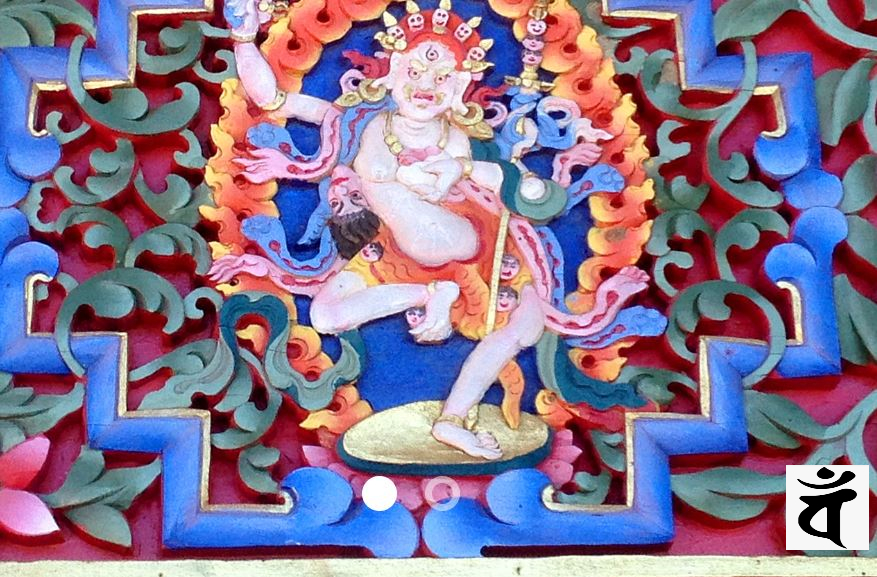
02. Vajra Dakini, Locana, Buddhalochana. (Tib. sPyan-ma)
Locana is the fierce wisdom Dakini of the mirror-like awareness and is luminous blue in color, she has a symbol of a vajra or dorje and represents the purity of the element earth.
Located in the East she has a seed syllable of HA or LOM, and pacifies anger.
She often is with the vajra-ornamented trigug in her raised right hand and held in the left hand at the heart of Akashadhatvishvari is a skull cup. The khatvanga staff, a symbol of the hidden consort, skilful means and compassion, rests in the crook of her left arm. Her three eyes of wisdom gaze into eternal space.
She stands on a sun disk of a blue lotus, she is the Dakini consort of Akshobya Buddha, is from the vajra or thunderbolt family, and has an element of water, water represents purity (or space, in some systems).
Vajra Dakini and Buddha Dakini are sometimes switched in terms of their direction and elemental associations.
She will usually have her right leg raised and her leg extended in the dancing posture, surrounded by the blazing flames of wisdom.
Sometimes represented with Akshobya is Mamaki instead of Locana.
Her mudra is that of touching the earth, she originates from the hell realm has destroying magical abilities and is association with the skanda of form (rupa).
Being in the east her time is at dawn.
HA : The Divine Dakini cometh from the East, carrying the spear of all-embracing Love. HA, HA.
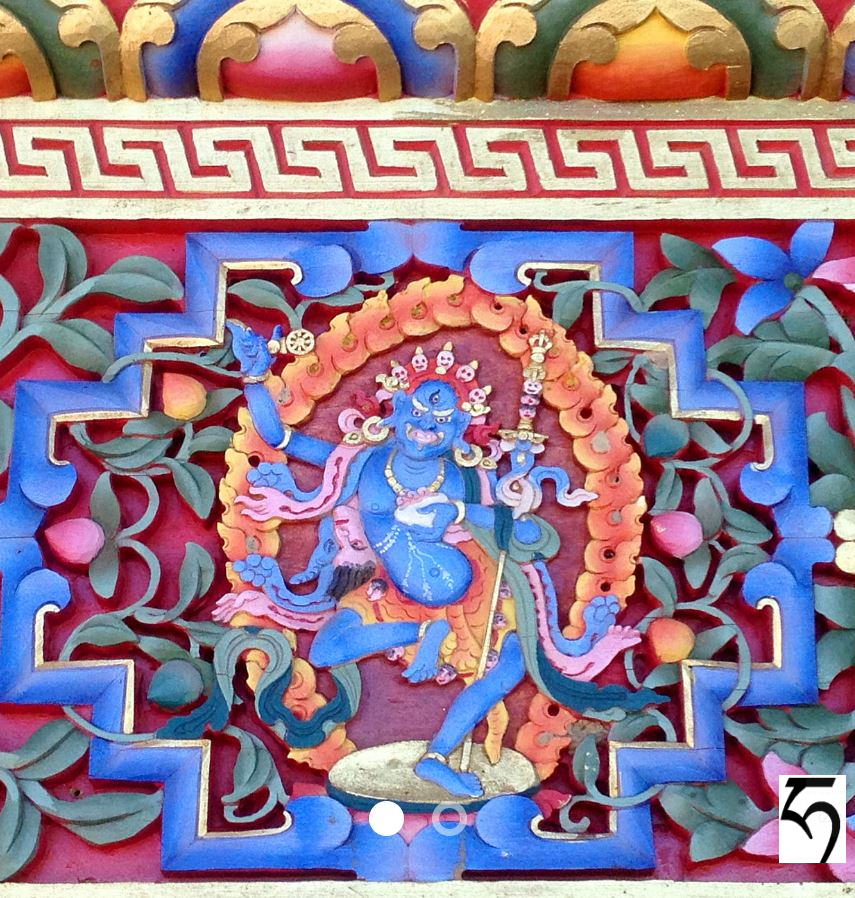
03. Ratna Dakini, Mamaki or Dvesarati.
Mamaki is the fierce wisdom Dakini of balance and equality, sameness or equanimity, and is luminous yellow or golden in color, the color of the earth, she has a seed syllable in her heart of RI or MAM and has a symbol of a jewel.
Located in the South she is the dakini consort of Ratnasambhava Buddha of the Ratna, from the jewel family, originates from the Human realm and has an increasing magical ability.
She stands on a sun disk on a yellow lotus, with her right leg raised and her left leg extended in the dancing posture, surrounded by blazing wisdom flames.
She holds the jewel-ornamented trigug in her raised right hand. The skull cup is held in her left hand at her heart. The khatvanga staff a symbol of the hidden consort, skilful means and compassion rests in the crook of her left arm whilst here three eyes of wisdom gaze into fathomless space.
She represents the skandha of feeling (vedana) and averts the poison of pride or inadequacy and she represents the purity of the element water.
Sometimes Locana is represented with Ratnasambhava.
Being in the south her time is at high noon.
RI : The Precious Dakini cometh from the South, carrying the spear of great compassion. RI,RI.
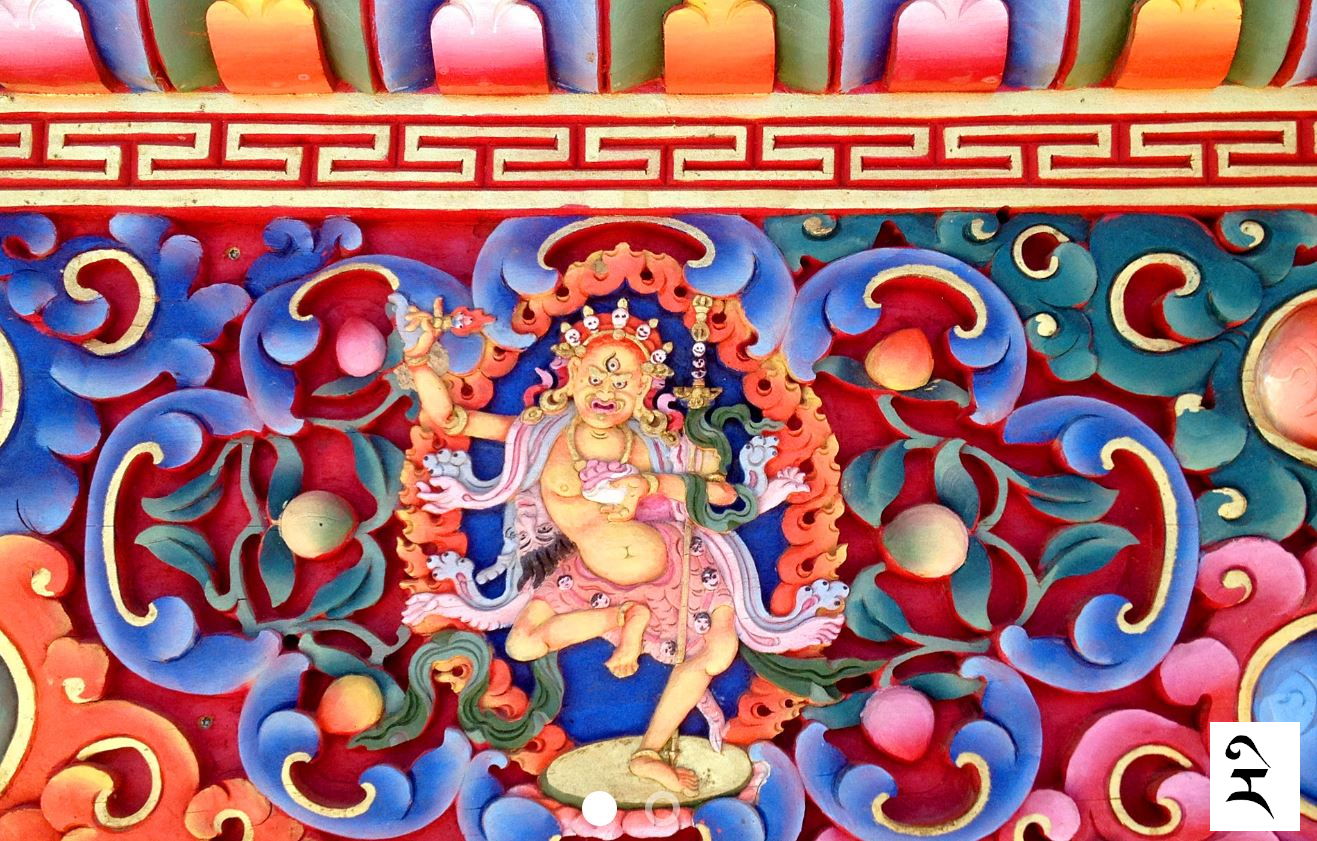
04. Padma-Dakini Pandaravasini Pandara Benzarahi. (Tib. Gos-dkar-mo)
Pandaravasini Pandara is the fierce wisdom dakini of discernment (the ability to judge well) and is luminous red in color representing the element of fire, passion and compassion, she has a seed syllable of NI or PAM in her heart and has an symbol of a Lotus.
Located in the west or north west and having an attracting magical ability, she is the dakini consort of Amitabha from the Padma, or lotus family, she originates from the realm of Hungry Ghosts (pretas).
She stands on a sun disk on a red lotus, with her right leg raised and her left leg extended in the dancing posture, surrounded by blazing wisdom flames.
She holds the lotus ornamented trigug in her raised right hand. The skull cup is held in her left hand at her heart. The khatvanga staff a symbol of the hidden consort, skilful means and compassion rests in the crook of her left arm.
Her three eyes of wisdom gaze into eternal space.
Representing speech she pacifies craving, attachment, longing and desires, represents the skandha of perception or discrimination (samjña), and the wisdom of discernment.
She has the mudra of devotion and an animal representation of a phoenix.
Being from the west her time is sunset and she represents the purity of the element fire.
NI : The Lotus Dakini cometh from the West, carrying the spear of great affection. NI,NI.
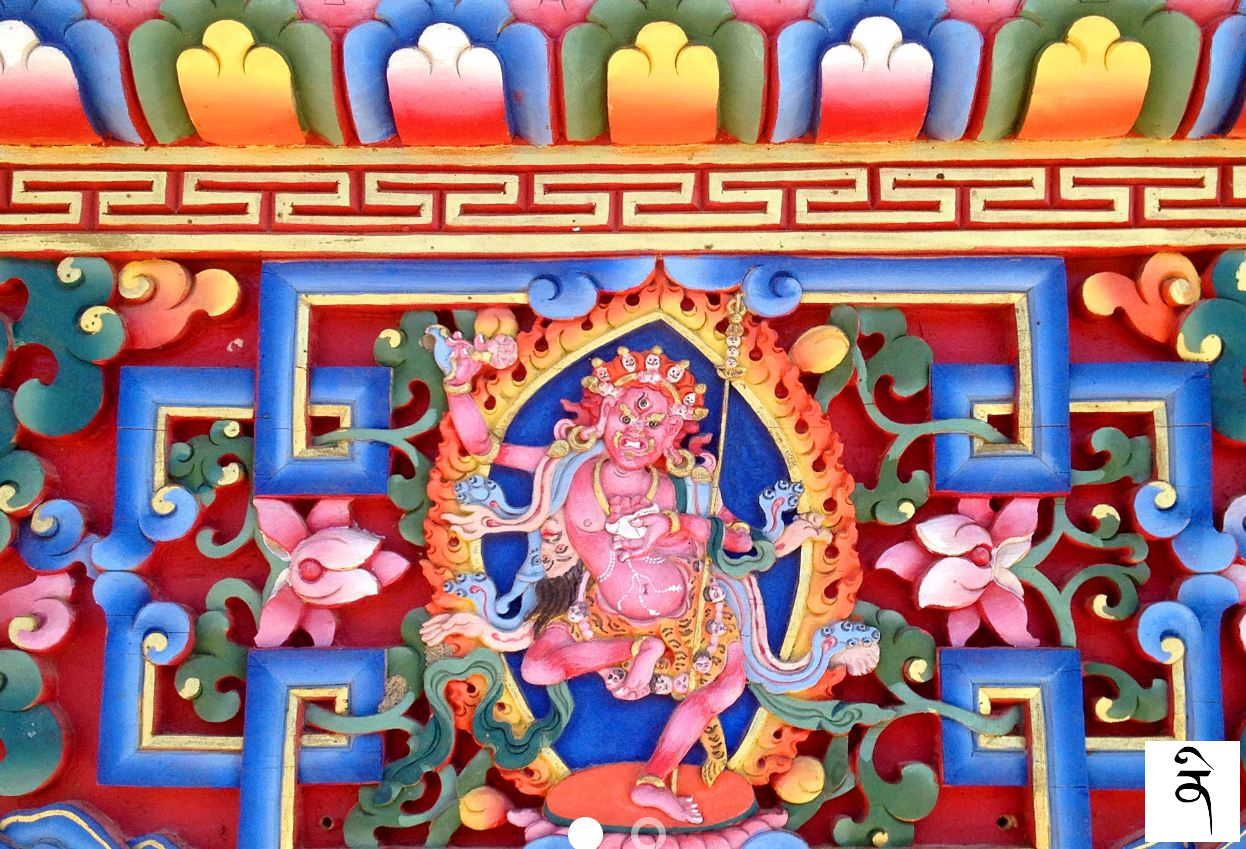
05. Karma-Dakini, Sgrol-ljang, Samaya Tara, Samyatara, Syamatara, Green Tara or Sarvanivarana. (Tib. sGrol-ljang)
Samaya Tara is the fierce wisdom Dakini of activity and all accompanying accomplishment and tames envy and fear, she is adept in all kinds of magic.
She is luminous green in color (hence her name Green Tara) and represents the element of air or wind, she has a seed syllable in her heat of SA or TAM.
She stands on a sun disk on a green lotus, with her right leg raised and her left leg extended in the dancing posture, surrounded by blazing wisdom flames.
The skull cup is held in her left hand at her heart. The khatvanga staff a symbol of the hidden consort, skilful means and compassion rests in the crook of her left arm.
Her three eyes of wisdom gaze into eternal space.
Her mudra is the ringing of the bell.
Her related animal is a Cobra.
Represented in the North or North East she is the dakini consort of Amoghasiddhi from the Karma family and comes from the realm of animals and titans (asuras).
Her wisdom is all-accomplishing and represents the skandha of formations, she is related to the skandha of volitions (samskara).
Her symbol is the sword often held in the right hand, with an ornamented a trigug holding a a double vajra.
Her time being from the north is midnight.
Syāma can mean dark blue or brown or green, night, earth, name or form of Durga, woman with special characteristics, having a dark skinned color.
Tara can mean Star, tar also means one who helps you to cross over, form of Daksayani.
SA : The Karma Dakini cometh from the North, carrying the spear of great impartiality. SA,SA.